The Myth of the Perfectly Quiet Sideline
The perfectly quiet sideline is not the only way to watch sport. Learn how timing, tone, and shared attention let spectators join in without taking over.

At a neighborhood match, a parent lowers a paper cup as the referee signals play to resume. A few people clap; someone else calls a player’s name, then lets the next moment pass. The sideline is not silent, but everyone can still hear the whistle. That ordinary balance is a better picture of a sporting crowd than the idea that good spectators must watch in perfect quiet.
The perfectly quiet sideline is often treated as a mark of respect. In some moments, quiet does help: a player preparing to serve, a coach giving instructions, or an official addressing a disputed call. But silence is only one way of paying attention. A restrained cheer, a shared laugh, or a brief expression of encouragement can also show that people are following the occasion closely.
Quiet is a choice for particular moments, not a rule for every moment
Sport has pauses and transitions, and spectators learn to read them. A ball out of play, a change of ends, or a brief wait before a restart can make room for applause or conversation. When action begins again, attention naturally narrows. The useful distinction is not between silence and noise, but between sound that fits the moment and sound that competes with it.
That distinction can vary by sport and venue. A tennis audience may hold its voice during a serve; a community soccer crowd may call encouragement as play moves across the field. Neither custom means that one audience cares more. The rhythm of the game, its local habits, and the people sharing the space all shape what feels considerate.
Silence can also be imposed too broadly. If spectators believe every reaction is disruptive, they may hesitate to applaud a good effort or support a nervous participant. That restraint can make a lively public occasion feel like a private assessment. Respect does not require spectators to disappear; it asks them to notice what their presence is doing.
Attention matters more than volume
A spectator’s voice carries more than its loudness. A short cheer directed toward a player can communicate support, while repeated instructions may pull attention away from the game. A running commentary can also crowd out the people nearby who came to listen, watch, or simply share the match.
Useful sideline presence tends to leave room for others. Applause after a difficult effort recognizes what happened without demanding a response. A calm word after a mistake can be kinder than a detailed account of what the player should have done. When the recipient is a child or a newer participant, the difference between encouragement and instruction can be especially clear: one offers company, the other can feel like another coach.
That does not mean every call from the sideline is unwelcome. Some teams and events invite supporters to cheer, and participants may draw energy from familiar voices. The question is whether a sound joins the occasion or tries to control it. Spectators can notice the player’s response, the pace of play, and the reactions around them rather than assuming that louder support is always better.
Shared customs make a crowd feel like a crowd
People often arrive with different expectations. One spectator may come from a setting where applause is the main form of support; another may expect calls and chants. At a school field, a public court, or a small club ground, these habits meet without a formal announcement. A crowd finds its character through small exchanges: someone starts clapping, others join, then the noise settles when play resumes.
These informal customs can include a familiar team chant, a clap for an injured player who gets back up, or a moment of quiet after a serious collision. They are not merely decorations around the game. They help people recognize when to gather their attention and what kind of care the occasion calls for. A respectful crowd can be animated, subdued, or move between the two.
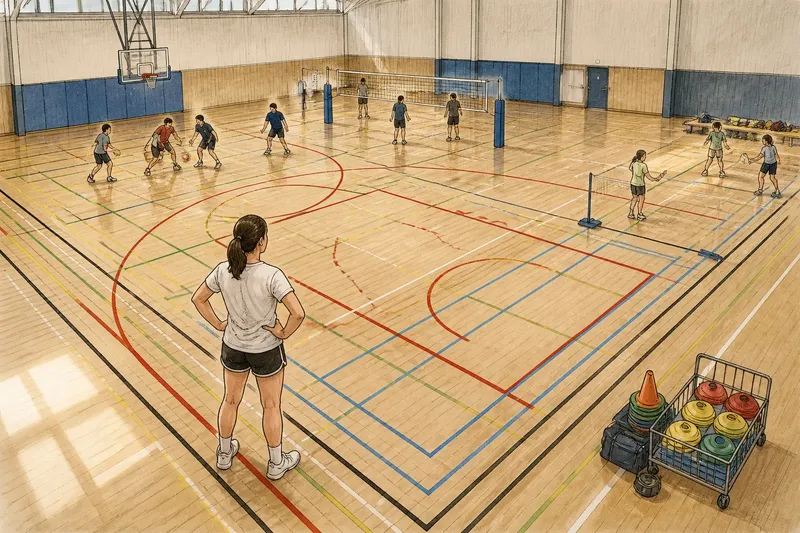
Imagine you are watching a youth basketball game in a school gym. A player misses a free throw, and you hear several adults call out advice before the next play. You choose to clap once for the effort and then keep quiet while the coach speaks. The observable result is not that the game becomes silent; rather, your support is audible without adding another voice to the instructions already reaching the player.
It is not worth trying to police every small sound or to decide that one style of spectatorship is the correct one everywhere. A whispered comment between plays is not the same as shouting over an official. Paying attention to context is more useful than enforcing a personal theory of perfect crowd behavior.
What should spectators do when the right response is unclear?
Should spectators stay silent during every play?
No. Customs differ, and many games welcome applause or encouragement while action continues. Watch how the event is being played and how participants respond, then adjust your voice to the moment.
Is cheering the same as coaching from the sideline?
Usually not. A brief cheer expresses support, while repeated directions tell a player how to act and can compete with the coach or the player’s own decisions.
What if the crowd’s noise is making it hard to follow the match?
Move to a quieter part of the viewing area if one is available, or ask nearby people politely to leave room for an announcement or a moment of play. A calm request is more likely to help than trying to outshout the crowd.
How can a newcomer learn the local custom?
Listen and watch for a little while: notice when people applaud, when they pause, and whether the players seem comfortable with direct calls. Following the room’s rhythm is a reasonable start, not a promise that every spectator will share the same preference.
Good sideline manners leave space for the game
For someone unsure how to join in, a few simple habits can keep attention on the match and the people playing:
- Let whistles, official announcements, and active play take priority over conversation.
- Choose encouragement that supports effort rather than prescribing a decision.
- Pause if a player, coach, or official is speaking nearby.
- Keep comments about mistakes brief, and avoid turning a single play into a public judgment.
- Notice whether your voice is reaching the intended person or simply carrying across the whole venue.
- Make room for different kinds of spectators, including people who prefer to watch quietly.
These habits are not a universal code. They are ways to keep participation reciprocal: spectators add energy, while players and others retain the space to concentrate and respond in their own way.
The myth of the perfectly quiet sideline makes silence seem like the only evidence of respect. A more useful measure is whether spectators remain attentive to the game and to one another. A crowd can clap, laugh, call a name, and still know when to let the next moment belong to the players.